Before Samson was born, the Angel of the LORD appeared to his mother and told her that although she had been unable to have children, she was going to have a son. He would be a Nazirite from the womb and would begin to save Israel from the Philistines. She told her husband, Manoah, about the encounter, and Manoah prayed for the man of God to return and teach them what they should do for the child.
God answered Manoah’s prayer, and the Angel returned. Manoah did not initially realize who He was. He asked the Angel to stay while he prepared a young goat for Him, but the Angel told Manoah that He would not eat his food. If Manoah wanted to prepare a burnt offering, he should offer it to the LORD.
Manoah still didn’t get it. He asked the Angel, “What is your name, so that when your words come true, we may honor you?”
The Angel of the LORD answered with a question of His own.
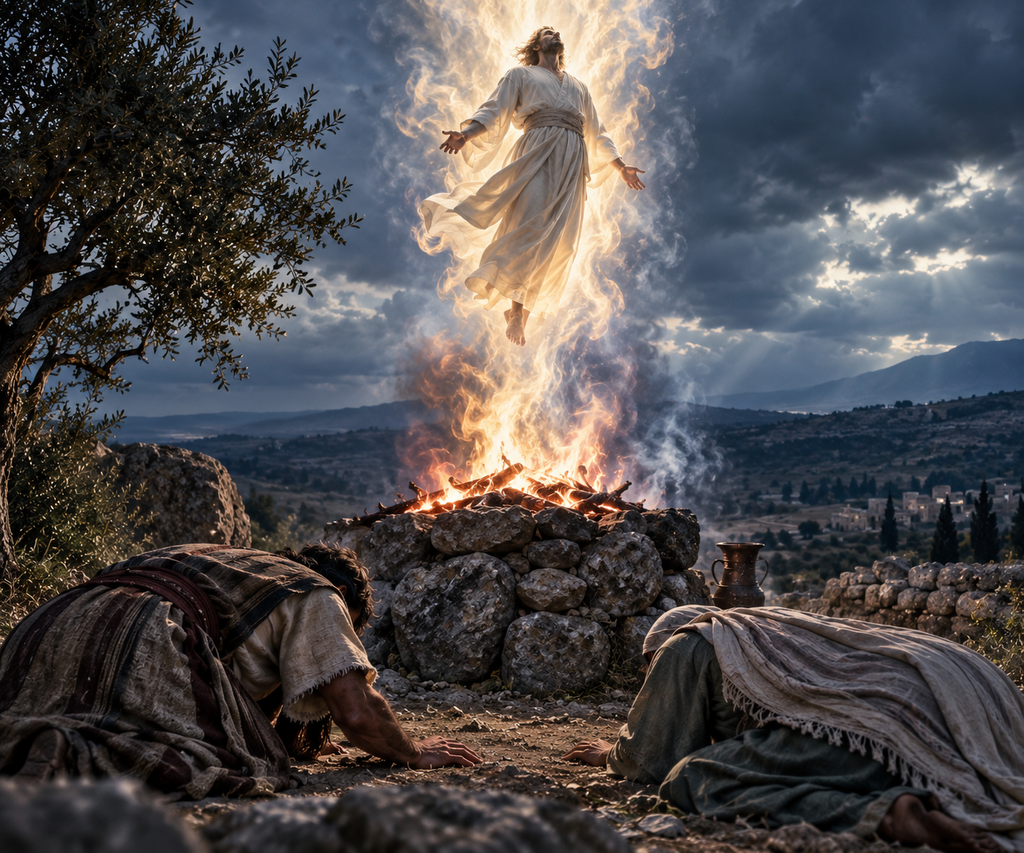
“Why do you ask my name, for it is wonderful?”
The Hebrew word translated here as “wonderful” is pili, which carries the idea of something extraordinary or beyond understanding. The Angel did not give Manoah the name he asked for. Instead, His answer suggested that the identity of the person standing in front of Manoah was far more extraordinary than Manoah realized.
Manoah prepared the offering, and something extraordinary happened. As the flame rose from the altar toward heaven, the Angel of the LORD ascended in the flame. Manoah and his wife fell on their faces to the ground. When the Angel did not appear to them again, Manoah finally understood who had been speaking to them.
Manoah had asked the Angel’s name because he wanted to honor Him when the promised child arrived. Instead of getting a name, Manoah got a glimpse of who he had actually been talking to.
“Why do you ask my name, for it is wonderful?”
By the end of the encounter, Manoah wasn’t asking anymore.
Judges 13:2–23
God has more questions. See Let Me Ask You Something: When God Asks a Direct Question.