What God Wouldn’t Let Me Forget
“You are the salt of the earth. But if the salt loses its saltiness, how can it be made salty again? It is no longer good for anything, except to be thrown out and trampled underfoot.” – Matthew 5:13
The Lord has blessed me with more than one set of friends who are salt of the earth. Some people know the description “salt of the earth” comes from the Bible – from the Sermon on the Mount. Some people don’t, though. Both sets of people, however, know what it means. It is how we describe somebody who is organic and inherently good.
I’ve heard it all my life. It’s the best compliment a person could ever give or receive. “She’s salt of the earth,” they say. Solid. Dependable. Real. The best of the rest of us. But why salt? Why not honey, or gold, or bread?
Jesus never picked His words casually, so I thought I would dig in and do some thinking on it.
What Salt Does
Salt was never about being fancy; it was essential. It was about survival. It kept (keeps!) food from spoiling. All you gotta do is watch a few episodes of “Little House on the Prairie” to see how important salt was in preserving food for the long winters – curing ham and salt pork, making brines to preserve meat, and pickling. Salt preserves the meat, and it brings out flavor.
Salt is slightly antiseptic and draws out moisture to help keep bacteria from thriving. See also: Dr. Quinn. Doctors use saline to clean wounds to this day, and some of you probably use it to clean your contacts.
So when Jesus said, “You are the salt of the earth,” He wasn’t describing something frivolous. He didn’t say, “You are the cake of the earth” or “You are the sugar of the earth”. He was describing something vital that had multiple essential purposes and vast usefulness.
Equally important in my mind – though Jesus does not call this out specifically – His ‘salt of the earth’ comment could be less about salt existing by itself than it is about how salt interacts with other substances.
As I said before, it kills bacteria by dehydrating it. When salt meets soil, it can nourish or destroy, depending on the balance and the purpose you choose. I have two patches of decorative rocks in front of my house, and I pour salt on them in abundance to make it so bad that weeds don’t even want to grow there.
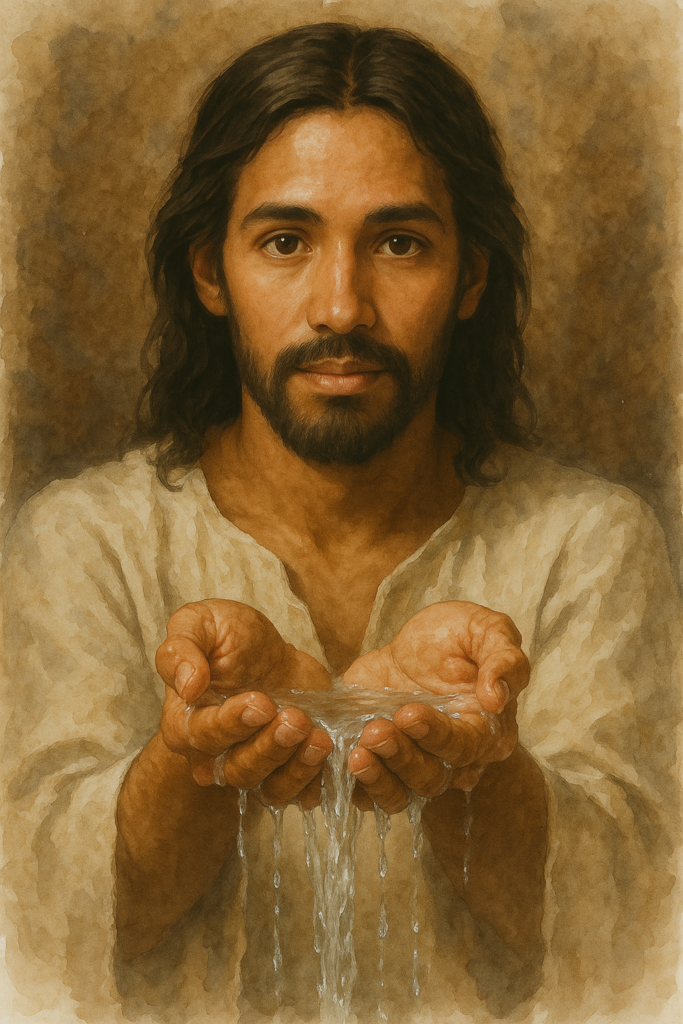
But when salt meets water, it dissolves, yet it doesn’t disappear. It behaves as though is has become part of the water.
Jesus knew when He said “You are salt of the earth” to his disciples that pure salt will not lose its chemical properties, so when He added, “If the salt loses its saltiness, how can it be made salty again?” could He have been pointing at the difference between true salt and counterfeit salt?
Imitation salt only looks like the real thing and because it wasn’t salt in the first place, it can’t be made salty again. Pure salt, the kind that we are because we have been chosen by Jesus, will never lose our saltiness. Believers are the real thing – rooted, redeemed, and saved.
Like actual NaCl, which only seems to lose its saltiness when it’s mixed with impurities, our real properties can fade or be camouflaged when we are hanging out with the wrong people, thinking about the wrong things, or engaging in other errant behavior. Once we separate from those impurities, though, we are pure again.
We can never lose what God planted in us (Philippians 1:6; Hebrews 13:5; John 10:28-29; Romans 8:38-39). Sometimes we just get mixed with too much “world” and start acting flavorless. The world always abandons its own, but pure salt of the earth will never be abandoned by God.
When Salt Meets The Living Water
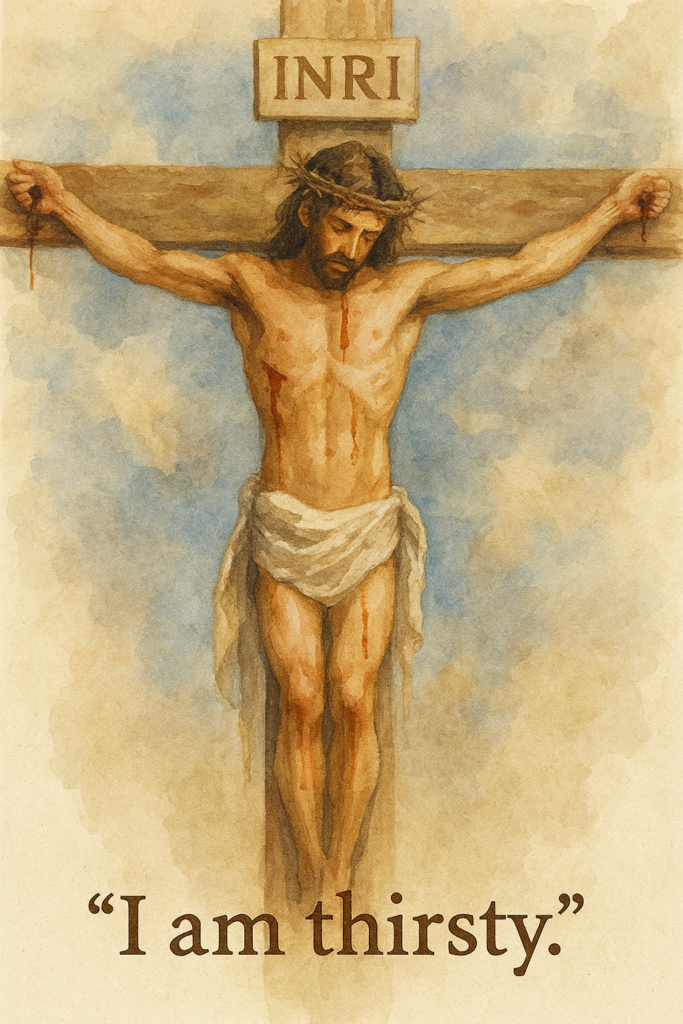
The last thing I thought about is that salt also makes us thirsty, and this could be the most important point I make today. Jesus Himself said, “I am thirsty” – one of the last things He said before He came face to face with His Father. His thirst wasn’t just physical. He longed for His Father, especially in that moment.
We are also thirsty and long for God, our Father, and desire to drink of the Living Water to maintain that closeness. I wrote this blog, and you are reading it. We both knew it would be about Jesus. If you weren’t thirsty, you wouldn’t be drinking… And when we thirst, we share in that same longing He expressed on the cross – we thirst not for physical relief – but for reunion.
Jesus is the true salt – the preserver, purifier, healer, and the very flavor of life itself. We are His reflection. When He said “You are the salt of the earth“, He was passing His own nature into us – like water saturating salt.
Even if the Living Water evaporates, we are still salt, and we will become thirsty again and again and again. God promised us this – that He would not depart from us. We are absorbed, surrounded, and protected by the Living Water. We become inseparable from Him.
And now we’re salt water… and it’s hard to drown in salt water. The Dead Sea is a great example – one of the saltiest bodies of water on earth, dense enough to hold you up even when you stop trying to swim (buoyancy helps; wisdom still applies). That’s what it’s like when the salt of the earth meets the Living Water. Once we’re saturated in Him, we stay afloat. The danger isn’t that we will lose our saltiness and be trampled underfoot. The danger exists and dissipates long before that; the danger is that we never become salt at all.

Staying Salty
We don’t stay salty by striving. We stay salty by soaking. By staying near the Source. By drinking often from the well that never runs dry.
They called Jesus a lot of things – teacher, rabbi, friend – even troublemaker. But if you ask me, I submit that He is the actual Most Interesting Man in the World.
So many parables in this blog. Did you catch them all?
And honestly think about it…. can honey, gold, or bread do all that?
Stay thirsty, my friends.